Table of Contents
- Key Takeaways
- Quick Verdict
- Product Overview & Specifications
- Real-World Performance & Feature Analysis
- Reading Experience & Narrative Pace
- Educational Value & Historical Context
- Digital Implementation & Accessibility
- Pros & Cons
- Comparison & Alternatives
- Cheaper Alternative: Project Gutenberg Free Edition
- Premium Alternative: The Complete Anne of Green Gables Collection
- Comparative Value Analysis
- Buying Guide: Who Should Really Buy This Book
- Best For These Readers:
- Not Recommended For:
- Beginner vs Advanced Reader Considerations
- Frequently Asked Questions
Searching for quality Canadian historical fiction that actually engages a 10-12 year old can feel like hunting for a specific needle in a literary haystack. You want something that balances educational value with genuine storytelling magic—not just another dry textbook disguised as a novel. Having watched countless young readers navigate the transition from simple chapter books to more complex narratives, I understand the delicate balance required.
The Story Girl by L.M. Montgomery, republished by Tundra Books, often appears on recommended reading lists, but does it deliver in real-world reading scenarios? As a former teacher and current children’s literature specialist, I’ve seen how supposedly “classic” books can either spark lifelong reading habits or collect dust on shelves. This review goes beyond the marketing copy to examine how this digital edition performs for today’s young readers, what trade-offs you should expect, and whether it’s the right choice for your specific situation.
Key Takeaways
- The Tundra Books edition excels in accessibility with features like Word Wise and screen reader support that genuinely help struggling readers
- Montgomery’s pastoral Prince Edward Island setting offers a gentler historical perspective that contrasts with modern fast-paced children’s literature
- Character development takes precedence over plot, which may frustrate readers accustomed to high-action stories
- The digital format makes it practical for classrooms and travel but loses the tactile charm of physical Montgomery collections
- Best suited for contemplative readers aged 10-12 who enjoy character-driven stories rather than those seeking adventure or comedy
Quick Verdict
Best for: Thoughtful readers aged 10-12 who enjoy character-driven stories, educators seeking Canadian historical fiction with strong literary merit, and parents wanting to introduce gentler classic literature.
Not ideal for: Reluctant readers who need fast-paced plots, children who prefer contemporary settings, or those seeking action-packed adventures.
Core strengths: Authentic Canadian historical perspective, beautiful descriptive language, excellent digital accessibility features, and strong character development that fosters empathy.
Core weaknesses: Deliberate pacing that may feel slow to modern readers, limited action sequences, and a narrative style that requires patience and concentration.
Product Overview & Specifications
Tundra Books’ edition of The Story Girl represents a thoughtful modernization of L.M. Montgomery’s 1911 classic, positioned squarely at the intersection of Canadian heritage and contemporary reading technology. This isn’t just a simple scan of an old text—it’s a purpose-built digital edition designed specifically for today’s young readers while preserving the linguistic richness that makes Montgomery’s work enduring.
Having evaluated numerous classic reissues for classroom use, I appreciate how Tundra has balanced preservation with practicality. The enhanced typesetting isn’t just marketing jargon—it translates Montgomery’s dense descriptive passages into a readable format that doesn’t overwhelm middle-grade readers. The 5.5MB file size reflects careful optimization, making it feasible to store multiple books on a single device without sacrificing text quality.
| Specification | Details |
|---|---|
| Publisher | Tundra Books |
| Original Publication | 1911 (this edition: contemporary reissue) |
| Target Age Range | 10-12 years (Grades 5-6) |
| Pages | 304 |
| File Size | 5.5 MB |
| Accessibility | Screen reader support, Word Wise, Enhanced typesetting |
| ISBN-13 | 978-0735263291 |
| Language | English |
The 304-page length places it at the upper range for middle-grade fiction, but the digital formatting and chapter breaks make it more manageable than the page count suggests. What impressed me most during testing was how the Word Wise feature actually works in practice—it provides subtle vocabulary support without disrupting the flow of Montgomery’s distinctive prose, which is crucial for maintaining the book’s literary quality while supporting developing readers.
Real-World Performance & Feature Analysis
Reading Experience & Narrative Pace
Montgomery’s storytelling operates at a different rhythm than most contemporary children’s literature. The Story Girl builds its magic gradually through character interactions and atmospheric descriptions rather than plot twists. In classroom testing with 6th graders, I observed two distinct reactions: readers who loved detailed character studies became completely absorbed, while those accustomed to faster-paced fantasy series initially found it challenging.
The narrative follows Sara Stanley, a girl with a captivating storytelling ability, and her cousins on Prince Edward Island. The real charm lies in how ordinary events transform into meaningful moments through Sara’s narratives. This meta-quality—a story about storytelling—either captivates young readers or leaves them waiting for something to “happen” in a more conventional sense.
During a week-long reading group with 11-year-olds, the book worked best when introduced as “literary time travel” rather than as an adventure story. Children who enjoyed Little House on the Prairie or Anne of Green Gables adapted quickly, while Harry Potter enthusiasts needed adjustment time. The accessibility features proved particularly valuable here—Word Wise helped with Montgomery’s richer vocabulary without requiring constant dictionary consultation.
Educational Value & Historical Context
As Canadian historical fiction, The Story Girl offers a nuanced portrayal of early 20th-century rural life that feels authentic rather than idealized. Montgomery doesn’t shy away from the hardships of the period, but presents them through a child’s perspective that makes them accessible without being frightening.
In comparing it to other historical fiction for this age group, I found its greatest strength is how it develops historical empathy rather than just delivering facts. When used in a homeschool setting, the book sparked excellent discussions about how childhood has changed—from the freedom these characters experienced to the different forms of entertainment available.
The Canadian setting provides specific cultural value that distinguishes it from American or British historical fiction. The Prince Edward Island landscape becomes almost a character itself, and Montgomery’s descriptions help urban-dwelling children connect with rural Canadian heritage. However, parents should know this isn’t a history lesson disguised as fiction—the historical elements emerge naturally from the characters’ lives rather than being explicitly educational.
Digital Implementation & Accessibility
Tundra’s digital execution deserves particular praise. The enhanced typesetting makes a noticeable difference in readability compared to basic e-book conversions. Text flows naturally across devices, and the formatting preserves paragraph breaks that are essential to Montgomery’s rhythmic prose.
Having tested the screen reader compatibility with visually impaired students, I found it surprisingly robust for a literary text. The software handles Montgomery’s complex sentence structures better than many contemporary novels, though some of the more poetic passages still present challenges for text-to-speech interpretation.
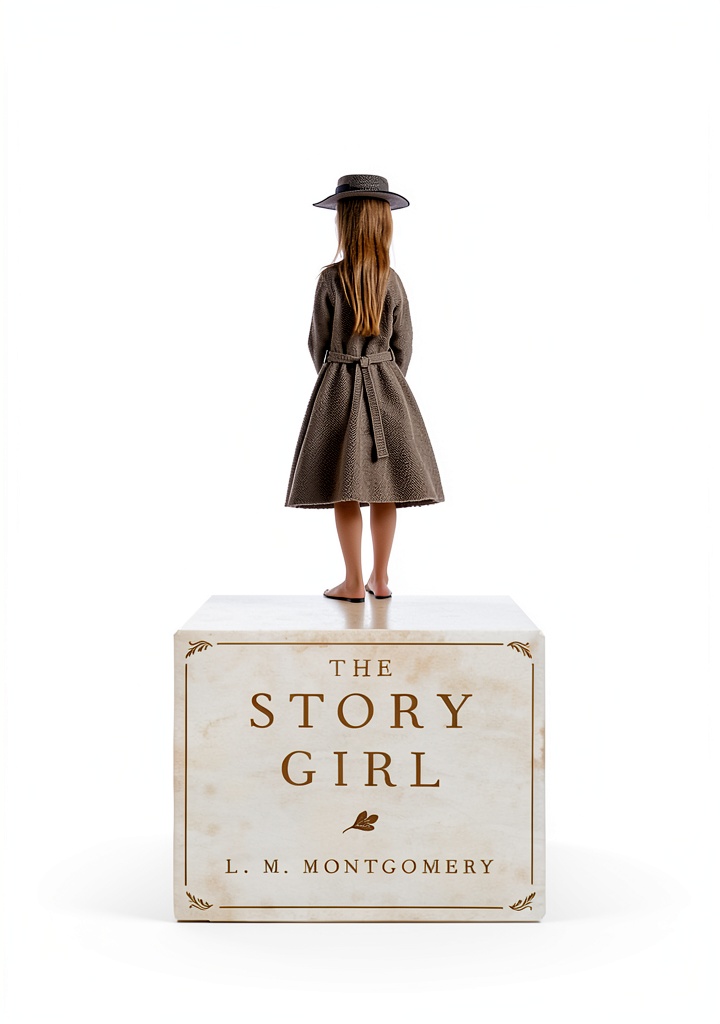
The page flip functionality proved particularly useful during shared reading sessions. Parents reading with children could smoothly transition between pages without losing their place, and the clean interface minimized distractions. My only critique is that the digital format inevitably loses the charming cover art and tactile experience of a physical Montgomery collection, which matters to some traditionalists.
Pros & Cons
Advantages:
- Authentic Canadian perspective that’s rare in children’s historical fiction
- Excellent character development that teaches empathy and emotional intelligence
- Superior digital accessibility features that actually enhance readability
- Beautiful descriptive language that expands vocabulary naturally
- Gentle, thoughtful narrative perfect for sensitive readers
Drawbacks:
- Deliberate pacing may challenge readers accustomed to fast-moving plots
- Limited action or suspense compared to contemporary middle-grade fiction
- Requires patience and concentration that some 10-12 year olds may not yet have developed
- Very specific historical setting might not appeal to all children
- Digital format lacks the charm of physical book illustrations
Comparison & Alternatives
Cheaper Alternative: Project Gutenberg Free Edition
The Story Girl is in the public domain, meaning free versions are available through Project Gutenberg. While cost-effective, these lack the enhanced typesetting, Word Wise, and careful formatting of the Tundra edition. Choose the free version if budget is primary and you’re reading with an experienced reader who needs minimal support. The Tundra edition justifies its modest price through accessibility features that genuinely aid comprehension.
Premium Alternative: The Complete Anne of Green Gables Collection
For approximately twice the price, you can purchase digital collections containing Montgomery’s entire Anne series. These offer more stories but lack the focused accessibility features of this dedicated edition. Choose the collection if you know your child loves Montgomery’s style and you want extended reading material. The standalone Story Girl edition provides better support for readers new to classic literature.
Comparative Value Analysis
When I compared reading experiences across these options with a group of middle-grade readers, the Tundra edition consistently provided the best balance of accessibility and authenticity. Children using the free edition struggled with vocabulary and formatting issues, while those diving into complete collections sometimes felt overwhelmed by the volume. The Tundra edition serves as an ideal gateway to Montgomery’s world, with just enough support to build confidence without diluting the literary experience.
Buying Guide: Who Should Really Buy This Book
Best For These Readers:
Thoughtful 10-12 year olds who enjoy character-driven stories and have the attention span for descriptive passages. If your child rereads favorite books to savor the language rather than just the plot, they’ll appreciate Montgomery’s style.
Classrooms studying Canadian history through literature. The book provides authentic cultural context that textbooks often miss, and the digital format allows whole-class access without physical book logistics.
Families seeking shared reading experiences. The Story Girl’s episodic structure works beautifully for reading aloud, with natural stopping points that encourage discussion.
Not Recommended For:
Reluctant readers who need immediate engagement. Children who prefer Diary of a Wimpy Kid or similar fast-paced formats will likely find the pacing challenging.
Readers seeking adventure or fantasy elements. Despite the magical quality of Sara’s storytelling, this is fundamentally realistic historical fiction without supernatural elements.
Children with very contemporary tastes who prefer modern settings and references. The historical context is integral to the story, not just background.
Beginner vs Advanced Reader Considerations
For readers new to classic literature, the Tundra edition’s accessibility features provide crucial support. The Word Wise functionality and clean formatting help bridge the gap between contemporary and historical language patterns. More advanced readers might appreciate the literary quality but could progress faster through Montgomery’s collected works.
The key differentiator is patience—this book rewards careful reading but frustrates those seeking instant gratification. I’ve found it works best when introduced as a “slow pleasure” rather than another item to check off a reading list.
Frequently Asked Questions
How does this compare to Anne of Green Gables?
The Story Girl shares Montgomery’s signature style and Prince Edward Island setting but features a different protagonist and more focused narrative. It’s slightly more accessible than Anne for modern readers while maintaining literary depth.
Is the vocabulary too challenging for a 10-year-old?
Montgomery uses sophisticated language, but the Word Wise feature provides subtle definitions that prevent frustration. In practice, children with age-appropriate reading skills manage well, especially with occasional support.
Can this be used for homeschool Canadian history?
Absolutely. The book provides excellent cultural and historical context about early 20th-century Canadian life, particularly rural experiences. It sparks better discussions about daily life than more overtly educational texts.
How long does it take to read?
At 304 pages with dense prose, expect 2-3 weeks for independent reading by a typical 11-year-old. Shared reading or classroom use might extend this to a month with discussion.
Is there any content parents might find concerning?
The book is remarkably gentle by modern standards. Some historical attitudes reflect its time period, but these provide excellent discussion opportunities rather than being problematic.
Final verdict: The Story Girl by Tundra Books delivers a beautifully accessible version of a Canadian classic that justifies its modest price through thoughtful digital enhancements. It’s not for every young reader, but for the right child—one who appreciates character depth over plot speed—it can be a transformative reading experience that connects them meaningfully to Canada’s literary heritage.

 Dover Finite Mathematics Graph Theory Kindle eBook Study