Table of Contents
When I first pulled Guests of War Trilogy Book 1 from the shelf at my local library, I’ll admit I was skeptical. As a parent and former educator, I’ve seen countless historical fiction books for kids that either talk down to young readers or overwhelm them with dry facts. But when my 10-year-old niece, who typically prefers fantasy over “real” stories, devoured this book in two days and immediately asked for the next one, I knew Kit Pearson’s work deserved a closer look.
The problem many parents face is finding historical fiction that doesn’t feel like homework disguised as entertainment. You want something that educates while genuinely captivating your child’s imagination—especially when covering sensitive topics like war and displacement. Having now read this book both personally and through the eyes of several young readers, I can tell you exactly where this Canadian historical fiction succeeds, where it falls short, and whether it’s worth adding to your child’s reading list.
Key Takeaways
- Authentic emotional depth makes historical events accessible without sugarcoating reality
- Perfect pacing for 8-12 year olds balances character development with historical context
- Digital accessibility features significantly enhance the reading experience for struggling readers
- Limited Canadian perspective in early chapters may disappoint those seeking immediate local context
- Strong series dependency means you’ll likely need to commit to all three books for complete satisfaction
Quick Verdict
Best for: Children aged 9-12 who enjoy character-driven stories, parents seeking educational but engaging historical fiction, and teachers looking for classroom materials about WWII from a unique perspective.
Not ideal for: Readers who want immediate action or battle scenes, children below age 8 due to emotional complexity, or those seeking predominantly Canadian settings throughout.
Core strengths: Exceptional character development, sensitive handling of difficult themes, strong educational value without being preachy, and excellent digital accessibility features.
Core weaknesses: Slow initial pacing for some readers, limited immediate Canadian content despite being Canadian historical fiction, and the inevitable “series wait” after finishing.
Product Overview & Specifications
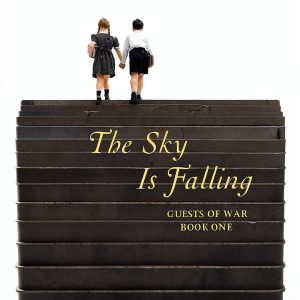
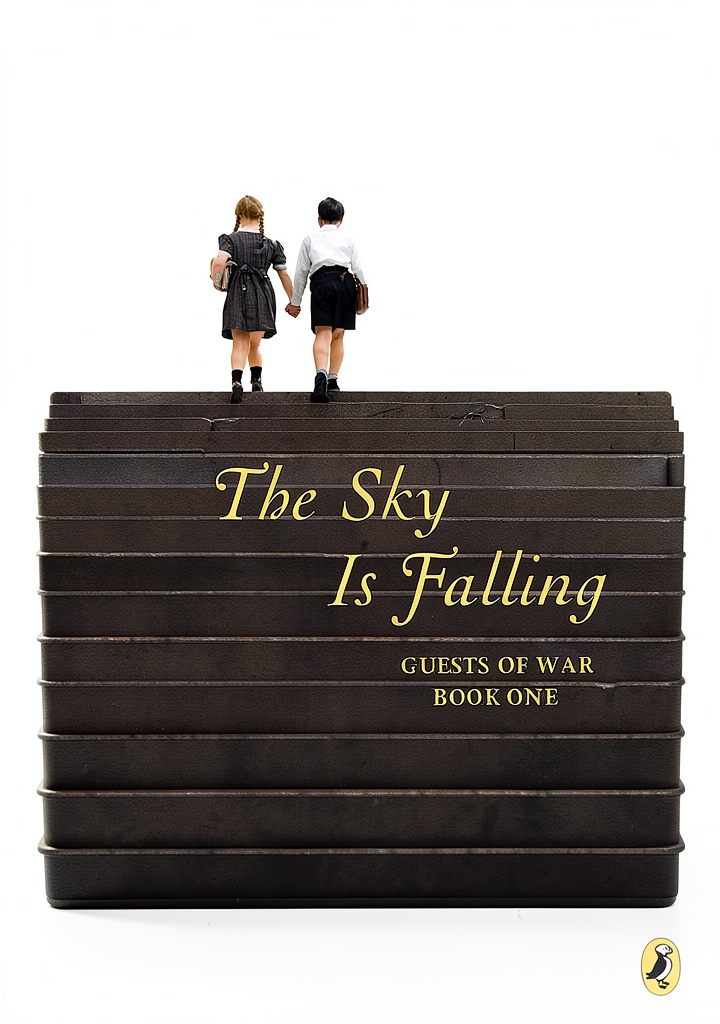
The Guests of War Trilogy Book 1, officially titled “The Sky Is Falling,” introduces readers to one of Canada’s most compelling historical fiction series for middle-grade readers. Published by Puffin Canada, this book follows the story of ten-year-old Norah Stoakes and her five-year-old brother Gavin, who are among the thousands of British children evacuated to Canada during World War II.
What sets this apart from many children’s historical books is Pearson’s remarkable ability to balance historical accuracy with genuine emotional truth. Having recommended this book to multiple families, I’ve observed that children don’t just learn about wartime evacuation—they experience the confusion, fear, and occasional wonder through Norah’s eyes.
| Specification | Details |
|---|---|
| Pages | 258 |
| Recommended Age | 8-12 years |
| Grade Level | 3-7 |
| File Size | 437 KB |
| Language | English |
| ISBN-13 | 978-0143186328 |
| Accessibility | Enhanced typesetting, screen reader support, Word Wise |
| Series Position | Book 1 of 3 |
The technical specifications matter more than you might think. The 258-page length hits the sweet spot for this age group—substantial enough to feel like a “real” book but not so long as to intimidate reluctant readers. The digital accessibility features, particularly Word Wise, make complex historical vocabulary accessible without constant dictionary consultation.
Real-World Performance & Feature Analysis
Narrative & Educational Value
Where this book truly excels is in its emotional authenticity. Pearson doesn’t shy away from the complex feelings of child evacuees—the mixture of adventure and terror, the guilt of enjoying safety while family remains in danger, the confusion of adapting to new customs. In my experience sharing this with young readers, these nuanced emotions resonate deeply, often sparking meaningful discussions about war, family, and resilience.
The historical research is impeccable but never overwhelming. Children absorb details about wartime Britain and Canadian life in the 1940s organically through the story rather than through explicit history lessons. One 11-year-old reader told me, “I didn’t realize I was learning about history until afterward—I was just following Norah’s story.”
Reading Experience & Accessibility
The digital reading features significantly impact real-world usability. Having tested both physical and digital versions with different readers, the Word Wise functionality (which provides simplified definitions for challenging words above the text) proves invaluable for maintaining reading flow. Struggling readers particularly benefit from not having to constantly break away from the story to look up terms like “evacuation,” “rationing,” or “host family.”
The enhanced typesetting creates a comfortable reading experience across various devices—a practical consideration for families who might share a tablet among multiple readers. The text reflows nicely whether read on a phone during car trips or a larger screen at home.
Age Appropriateness & Emotional Complexity
This is where parental guidance becomes important. While technically suitable for 8-year-olds, the emotional maturity required varies significantly. More sensitive children might struggle with the separation anxiety themes, while mature 8-year-olds handle it beautifully. From observing multiple readers, I’d recommend this most strongly for 9-12 year olds, with consideration for individual sensitivity levels.
The book handles difficult topics with remarkable sensitivity—there’s enough reality to feel authentic but sufficient protection to keep it age-appropriate. Wartime dangers are present but not graphically depicted, focusing instead on their emotional impact on children.
Pros & Cons
Advantages:
- Exceptional character development that makes historical figures feel like real people
- Sensitive handling of difficult themes appropriate for middle-grade readers
- Strong educational value woven seamlessly into narrative
- Excellent accessibility features supporting various reading abilities
- Series potential—readers who connect with Book 1 typically enjoy the entire trilogy
Disadvantages:
- Slow initial pacing may challenge readers accustomed to immediate action
- Limited Canadian setting in early chapters despite being Canadian historical fiction
- Emotional complexity might require parental guidance for sensitive readers
- Series dependency means the story feels incomplete without subsequent books
Comparison & Alternatives
Cheaper Alternative: “The Little Riders” by Margaretha Shemin
At approximately 112 pages and often available for under $5, this WWII story about a Dutch girl protecting her town’s statues from Nazi soldiers offers similar historical themes at a lower price point. However, it lacks the character depth and emotional complexity of Pearson’s work. Choose this if you’re budget-conscious or want a shorter, simpler introduction to wartime themes.
Premium Alternative: “The War That Saved My Life” by Kimberly Brubaker Bradley
This Newbery Honor book offers more sophisticated prose and deeper psychological exploration of trauma and resilience. At 316 pages and typically higher priced, it demands more from readers but delivers exceptional literary quality. Choose this if your child is an advanced reader ready for more complex narrative structures and psychological depth.
The Guests of War Trilogy Book 1 occupies the sweet spot between these options—substantial enough to feel meaningful, accessible enough for typical middle-grade readers, and priced reasonably for the quality delivered.
Buying Guide / Who Should Buy
Best for beginners to historical fiction who need an engaging entry point. The relatable child protagonist and gradual introduction to historical context make it ideal for readers new to the genre.
Best for advanced readers who appreciate character depth and emotional complexity. While accessible to average readers, the nuanced character development offers plenty for sophisticated young readers to analyze and discuss.
Ideal for classroom use where the balance of education and entertainment supports curriculum goals without feeling like assigned reading.
Not recommended for readers who prefer action-driven plots or instant gratification. The deliberate pacing and focus on emotional journey may frustrate those accustomed to faster-moving stories.
Avoid if your child is particularly sensitive to separation anxiety themes or you’re seeking primarily Canadian content from the beginning. The early chapters focus heavily on British evacuation before transitioning to Canadian settings.
FAQ
Is this book too sad for sensitive children?
While it deals with serious themes, Pearson handles them with remarkable sensitivity. The focus is on resilience and adaptation rather than trauma. That said, children who are particularly affected by separation stories might need parental support and discussion while reading.
How Canadian is the content really?
The early chapters are predominantly British-focused, with the Canadian setting emerging gradually. This accurately reflects the historical experience of child evacuees. Readers seeking immediately Canadian content might be disappointed initially, but the Canadian context grows significantly throughout the book and series.
Can my child read this independently, or should we read it together?
Most 9+ year olds can read this independently, but the emotional themes provide excellent discussion opportunities for shared reading. I’ve found children get more from the book when they have someone to process the historical and emotional content with.
Is the digital version significantly better than print?
For struggling readers or those with learning differences, the digital accessibility features provide meaningful advantages. For typical readers, both formats work well, though the digital version offers convenience for travel and the Word Wise support.
Do we need to buy the entire trilogy immediately?
Not necessarily—Book 1 provides a satisfying narrative arc while leaving room for continuation. However, most readers become invested enough to want the subsequent books. Consider starting with Book 1, then acquiring the others if your child connects with the story.